 Upcoming
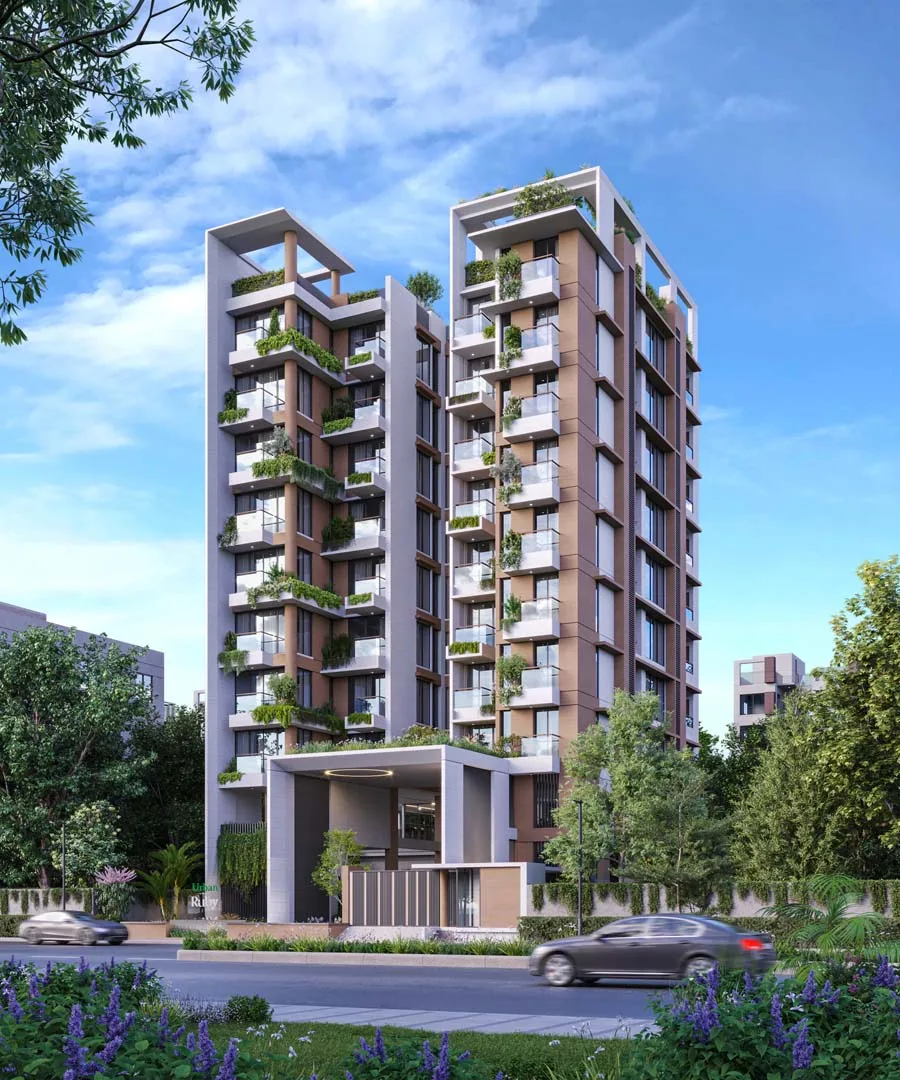
Apartments · Bashundhara
Demo Project — Bashundhara Block L
1,860–1,925 sft · 3 bed
Dhaka
Sell it outright or build on it with us — we price both before you decide, and the plot details never leave one private inbox.
If you own land in Bashundhara R/A and have been approached about developing it, the first thing worth understanding is why: plots here are regular, the roads are wide enough to support taller buildings, and RAJUK approvals in a planned area are more predictable than in organically grown parts of the city. That combination is what makes a joint venture work financially, and it is also what gives you room to negotiate rather than accept the first offer.
A joint venture is straightforward in principle. You keep the land. A developer builds on it at their cost, and the finished apartments are divided between you and the developer in an agreed ratio. You pay nothing and receive apartments rather than a lump sum, which is why owners who intend to hold property rather than liquidate it usually prefer this to selling. The ratio depends on the plot: its size, its road frontage, whether it is a corner, and what the approved floor area works out to.
The part that decides whether the arrangement works for you is not the ratio at all — it is the agreement. Which specific apartments are yours, named by floor and by facing, not as a percentage. What the handover date is, and what happens if it passes. What specification the building is finished to, written down at the level of brands and materials rather than adjectives. Who pays the utility connections and the RAJUK fees. Whether you can sell your share before completion, and on what terms. An owner who insists all six are written into the development agreement is in a very different position from one who agrees a ratio and settles the details later.
Ask for references, and then contact them. Any developer proposing a joint venture in this area should be able to name landowners they have already handed over to, and those owners will tell you plainly whether the building was finished on time and to the specification promised. That single conversation is worth more than any brochure, including ours.
It is also worth understanding what you are trading. In a joint venture you give up control of the construction and accept a timeline you do not set, in exchange for not funding the build and not carrying the risk of it. If you have the capital to develop the plot yourself and the appetite to manage it, that is a legitimate alternative and a good developer will tell you so. The joint venture route exists for owners who want the value of development without becoming a developer.
Go and look at them. A building you can visit says more than anything on this page.
The questions every landowner puts to us, answered before you have to ask them.
Four steps, and you can stop after any one of them.
Size, location and road width are enough to start. The form on this page takes two minutes, and nothing you send is published or passed on.
We look at the plot, check the zoning and the road, and work out the floor area RAJUK would allow. You get the calculation, not just the answer.
You see the proposed split, the floor area it represents and the money paid to you at signing — all three in writing, before anything is signed.
Soil test, structural design, architectural drawings and the sanction are done by us, at our cost. You are shown each stage; you chase nothing.
Construction is funded and managed by us, with the materials named in the agreement. On completion you take possession of your apartments and their parking.
Want to know what your plot in Bashundhara could support?
Develop your landEverything below is written into the joint venture agreement before construction starts. Not a brochure promise; a term you can hold us to.
The date is a term of the agreement, with a stated consequence if it slips — not a target in a brochure.
The structure is designed to the current Bangladesh National Building Code for seismic and fire loading, and the specification is attached to the agreement.
Rod, cement and fittings are named by brand and grade in the agreement rather than called "premium", so you can verify them on site at any time.
The building is maintained after handover rather than abandoned at completion, and the terms of that are part of the agreement too.
They explained what my plot could support before they asked me for anything, and the ratio they offered was the one that ended up in the agreement.
My documents were not in order and I had put this off for years. They sorted out what was needed and told me honestly how long it would take.
I visited the site whenever I wanted, and the materials were the brands named in the agreement. Handover was the month they said it would be.
The questions landowners here ask. If yours is not among them, ask it in the form below.
You keep ownership of the land. The developer designs, approves and builds at their own cost, and the completed apartments are divided between you and the developer in a ratio agreed before construction begins. You pay nothing during construction and receive finished apartments rather than a cash sum.
It varies with the plot — size, road frontage, whether it is a corner, and the approved floor area all move it. Rather than quote a number that may not apply to your land, we work it out against your specific plot and show you the floor area on both sides before anything is signed.
At minimum: your apartments identified by floor and facing rather than as a percentage, the handover date and the consequence if it slips, the finishing specification written as brands and materials, who pays utility connections and RAJUK fees, and whether you may sell your share before completion. Vagueness in any of these is where disputes start.
Approval and design typically take several months before any construction starts, and the build itself depends on the number of floors. The date that matters is the one written in the agreement together with what happens if it is missed — a developer unwilling to put a consequence beside the date is telling you something.

2 min read
Landowners are told "60:40" long before anyone explains what the numbers are of. This is what a ratio actually divides, and what moves it.

2 min read
Registration is the last big cost of buying an apartment and the one nobody quotes upfront. Here is what the bill is actually made of.
Three boxes, and no obligation of any kind. We will tell you what your plot could support and what a fair split would look like on it.
We ask about the plot itself on the next page, and you can skip it — your details reach us either way.
Three boxes and no obligation of any kind. Tell us where the plot is and roughly how big it is; we will tell you what it could support and what a fair split would look like — in writing, within a week.