 Sold
SoldLand · Savar
Demo Plot — Savar Birulia
121 Katha · 20 ft road
Dhaka
Land for sale in Savar: what the highway and the EPZ do to value, the difference between agricultural and residential classification, and the documents to check before buying.
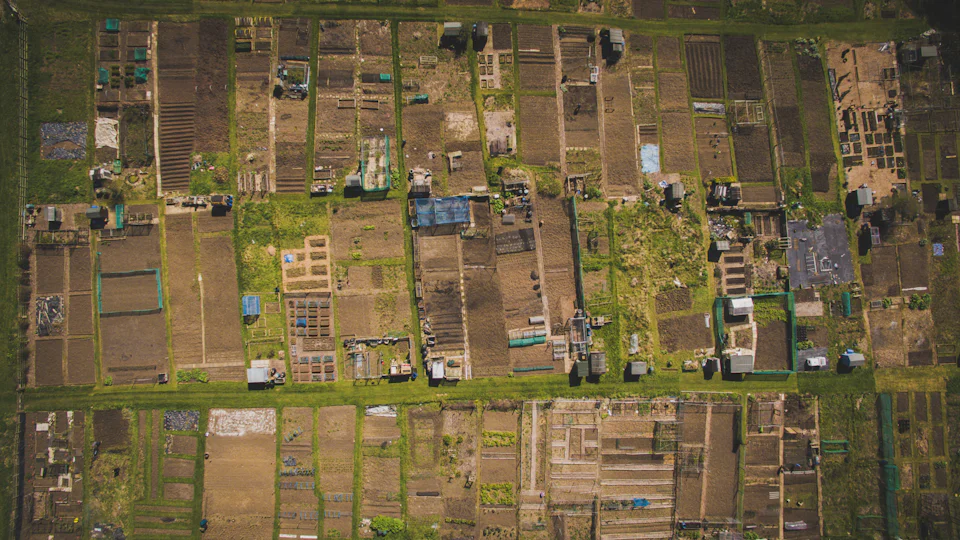
Savar is where land is still priced in a way that most of Dhaka no longer is, and that is the whole reason to look at it. It sits outside the city proper on the Dhaka–Aricha highway, and it has been an industrial and institutional centre in its own right for decades — the EPZ, the garment factories around it, Jahangirnagar University, and the military cantonment all sit here. The result is an economy that does not depend on commuting into Dhaka, and land prices that are a fraction of anything inside the city.
Value here follows the highway and the roads feeding it, more strictly than in a planned area. A plot with frontage on a road that carries traffic to the highway is a different asset from one behind it, and the gap is wide. The second thing that moves price is proximity to the industrial belt: land near the EPZ has an obvious industrial and residential rental demand behind it, which is why the same size plot can differ several-fold across a few kilometres. Ask what is actually built on the adjoining plots, not just what the classification permits.
The single most important question in Savar is what class the land is. Much of the district is recorded as agricultural, and agricultural land is cheaper because it is not, as it stands, land you can build a house on. Conversion is a process with a cost and a timeline and no guarantee attached, and a plot advertised at an attractive rate is very often an unconverted one. Establish the recorded classification from the khatian before discussing price, not after.
The document checks are the ordinary Bangladeshi land checks and they matter more here than in an allotment area, because the ownership history is longer and less institutional. A current mutation in the seller’s name, the khatian and the dag number matching the plot on the ground, up-to-date land development tax receipts, a sub-registry search for encumbrances, and — in a district where inherited land is common — confirmation that every heir with a claim has signed. A lawyer will take days over this. It is the cheapest part of the transaction and the only part that cannot be fixed afterwards.
The realistic position on Savar: it is bought for what it will be worth rather than what it does today, and flood level is part of that judgement. Much of the area is low-lying, filling is a real cost, and the height of the surrounding roads tells you more about how a plot drains than any seller will. Walk it in the monsoon if you can. If you cannot, ask the neighbours what happens in July.
Typical market rates across the area, as a guide before you start looking. These are not our prices — the price of a specific apartment depends on the floor, the facing and what is left in the building, and we send you that figure when you ask for it.
The questions that come up before anyone signs. If yours is not here, ask us.
Because it is outside the city, and because a large share of it is recorded as agricultural rather than residential. The cheapest plots are almost always unconverted ones. Once classification, access and filling are accounted for, the gap narrows considerably — though it remains real.
The recorded classification in the khatian determines what may lawfully be built. Agricultural land is cheaper because, as it stands, it is not land you can put a house on; converting it is a process with a cost and a timeline and no guarantee. Establish the classification before discussing price.
A current mutation in the seller’s name, the khatian and dag number matching the plot on the ground, up-to-date land development tax receipts, a sub-registry search for encumbrances, and — where the land is inherited — signatures from every heir with a claim. Have a lawyer do it properly.
Parts of it are low-lying and drainage varies plot by plot. The height of the surrounding roads relative to the plot tells you a good deal. If you cannot see the land during the monsoon, ask the neighbours what happens in July — they will tell you, and it is the most useful survey available.
It is bought for what it will be worth rather than for what it yields today, which makes it a longer hold than land inside the city. The industrial belt and the highway give it a demand base that does not depend on Dhaka commuting, and classification and filling are the two costs most often underestimated.
For the price of a particular apartment, open its page and ask there — you will get the current figure for that unit. For anything else about the area, call or message us.